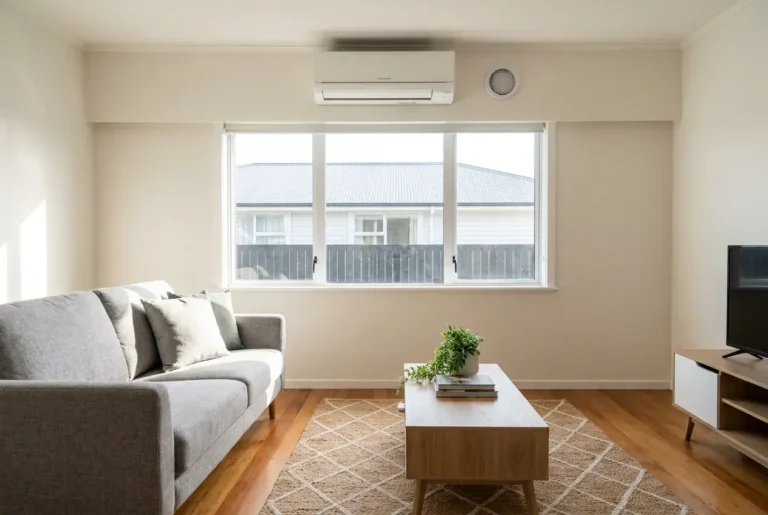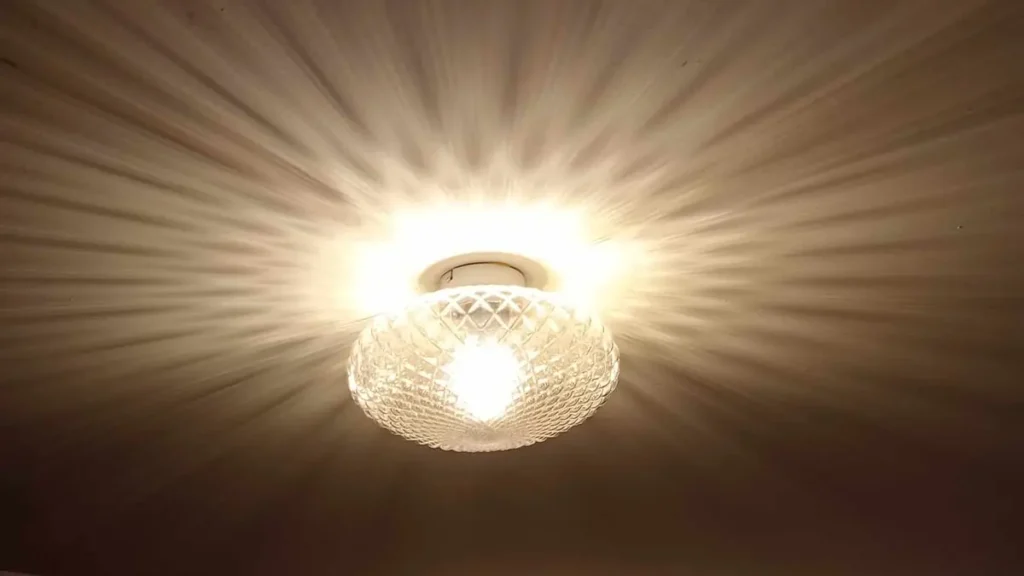
There's a few things to consider when picking your new lighting. Some are easier to cover than others. At Roundhouse Electrical, we're not here to judge your taste, we leave that job to your in-laws. We've got some electrical based tips and some illumination based tips for you….interior design, we'll leave that up to you.
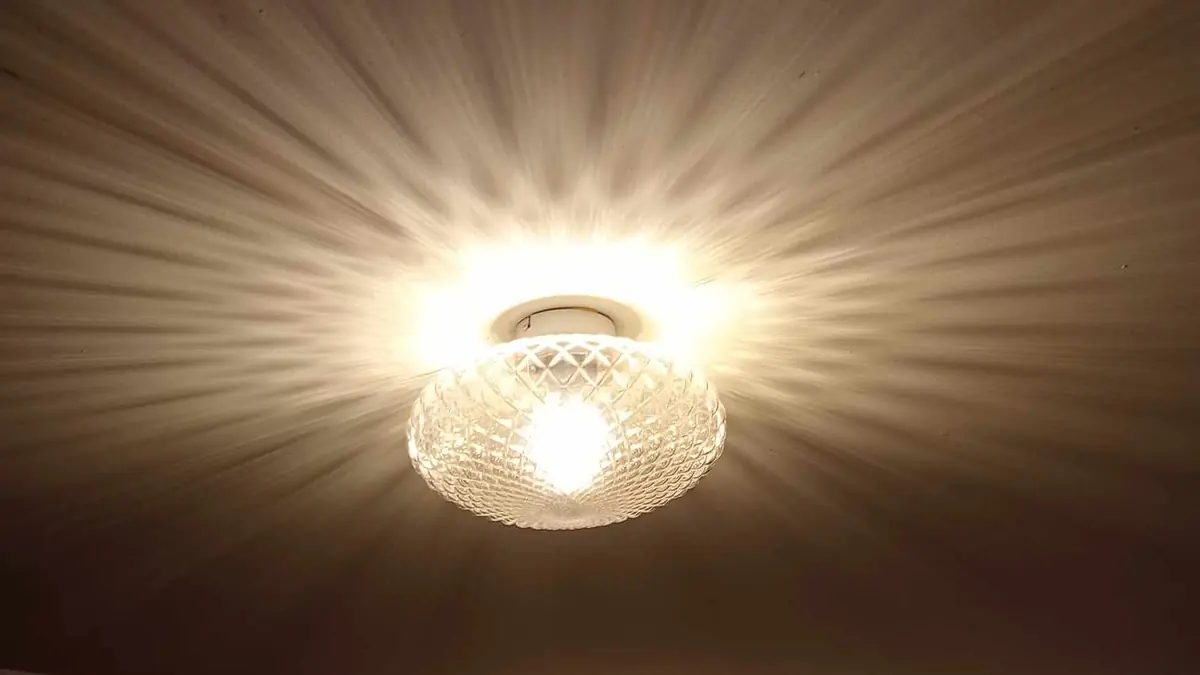
Light like a pro
Most pros will tell you to light in layers, this offers adaptable lighting that can be both functional and comfortable.
Starting with task lighting, there's nothing worse than not having light where and when you need it. Whether you're preparing dinner on the island bench or sitting down to a good book on the sofa, you want to see what you're laying your eyes on. As with the other layers of lighting there are several ways to achieve the best outcome. For kitchen benches, downlights and pendants work. If there is a cabinet overhead, strip lighting underneath gives you light on the worktop. Never underestimate a floor or desk lamp for task lighting. You can move it wherever you need it, and it can match your style.
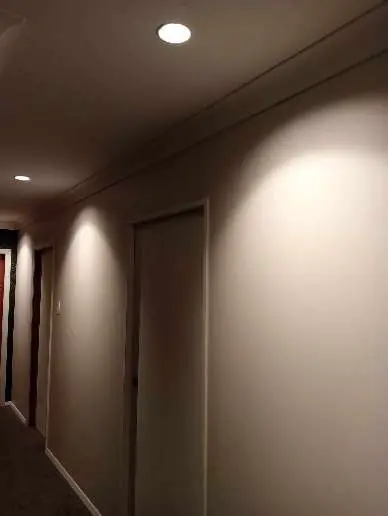
Ambient light is the light that helps you get around the space. It's general illumination and doesn't need to be bright. It also doesn't have to be direct, get creative. Light a single wall down a hallway, light up on to the ceiling and let the soft reflected light fill the room. Sometimes, ambient light is all you need.
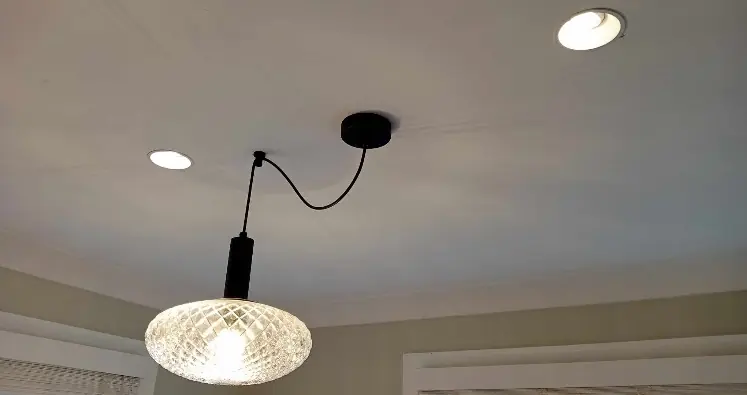
Don't mistake feature lighting for decorative lighting. Feature lighting highlights the architectural features, artwork or sculptures. With LED technology, highlighting features has become a lot more accessible to the masses, better light control more affordably.
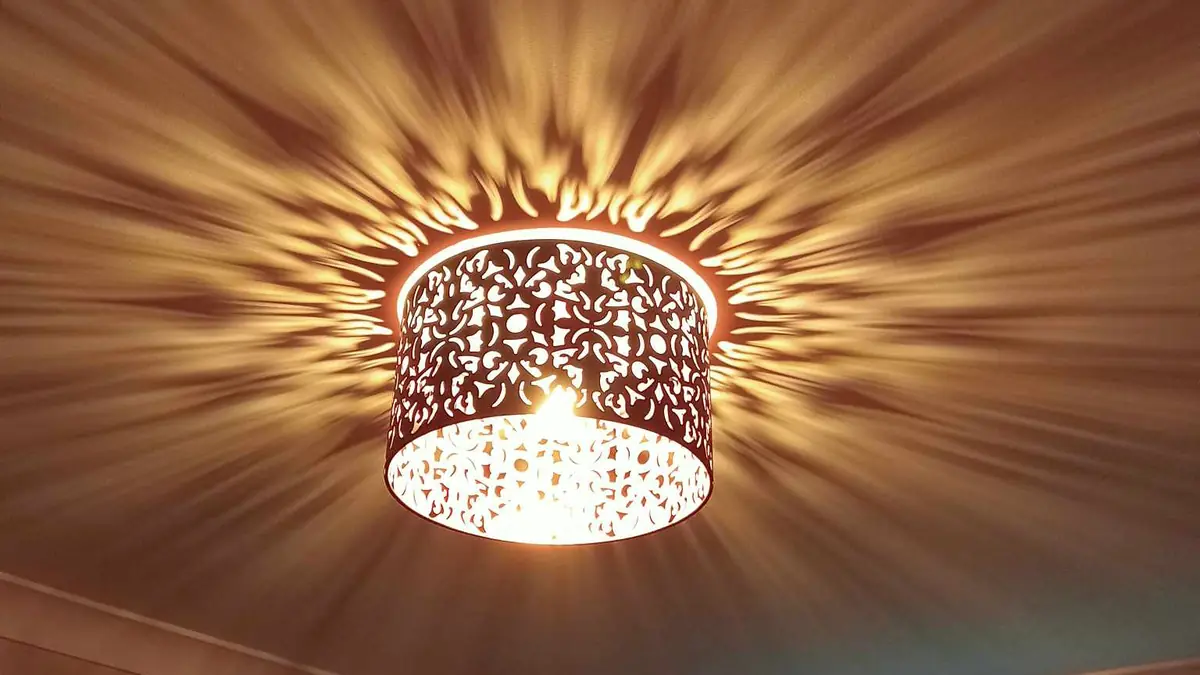
Decorative lights can cover all three layers. A good-looking pendant over a kitchen island, for example, also works as task lighting. A chandelier can also provide ambient light. A decorative light will be eye catching, using a decorative light as a feature light is counterproductive. Trying to highlight art when the light is the art will be confusing for the observer.
Things to watch out for
Older homes often had lighting wired with no earth, to save money and because there was no need. These days, that limits what lighting you can install. Most modern lights have metal bases and thus require earthing by regulation and simply for safety. In some cases running an earth isn't a hard job, however some older houses without a ceiling cavity are better done when the lining is taken off.
Dimming isn't simple with all LEDs, wrong dimmer, wrong light, not enough lights, too many lights can lead to numerous problems. Best to leave this, to us.
LED's are sensitive wee souls, the slightest fluctuation in incoming power can be seen through flickering in the lights. If this is happening regularly, make notes of the times and which lights are having a party (seriously sometimes it looks like a '90s club). There could be a few causes, gather as much information as possible and give us a call. We'll sort you out.
If you're thinking renovations or new builds call Roundhouse Electrical, we have the expertise and knowledge to make sure you get great results.